
Beijing Municipal Parks Turn Garden Waste into Resources, Recycling Rate Up 20 Percent

As autumn settles over Beijing and fallen leaves carpet the city, municipal parks are finding innovative ways to transform garden waste into valuable resources.
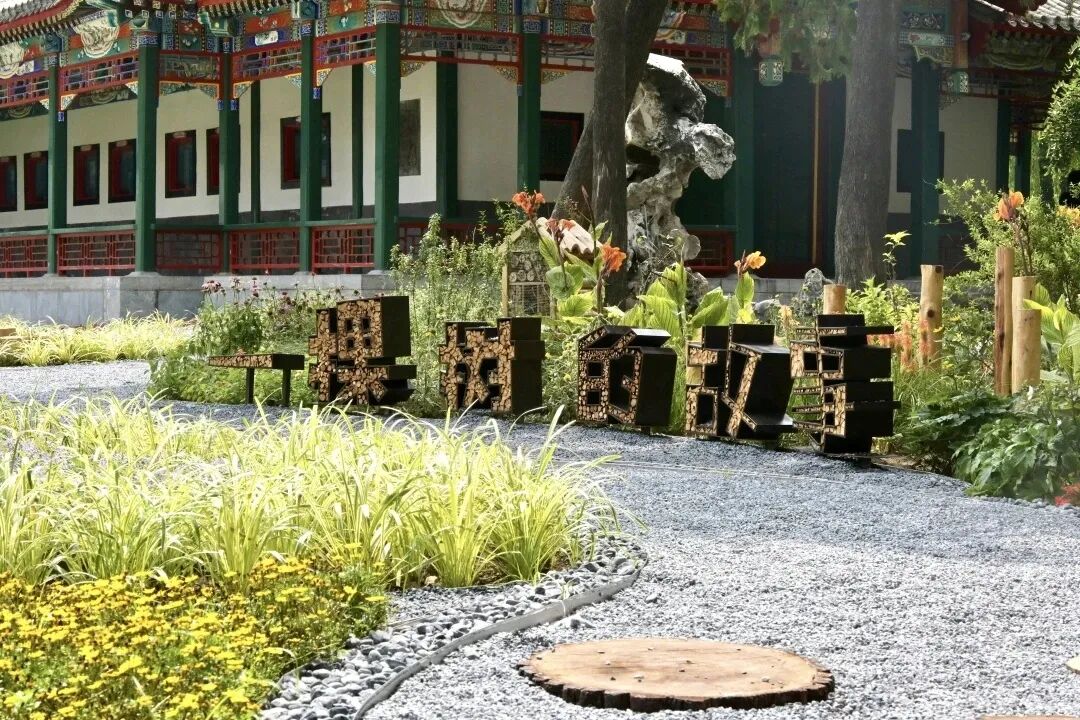
According to the Beijing Municipal Administration Center of Parks, fallen branches and leaves are now being reused through methods such as soil improvement, mulching, and landscape design, giving new life to what was once considered waste.
One method involves high-temperature composting, which turns fallen branches and leaves into organic soil substrates rich in organic matter and essential nutrients such as nitrogen, phosphorus, and potassium, thereby improving soil quality. Most of the city's municipal parks currently adopt this approach. Another method is shredding the leaves and adding eco-friendly pigments to create biodegradable mulch, which is spread back in the parks to enhance their landscapes.
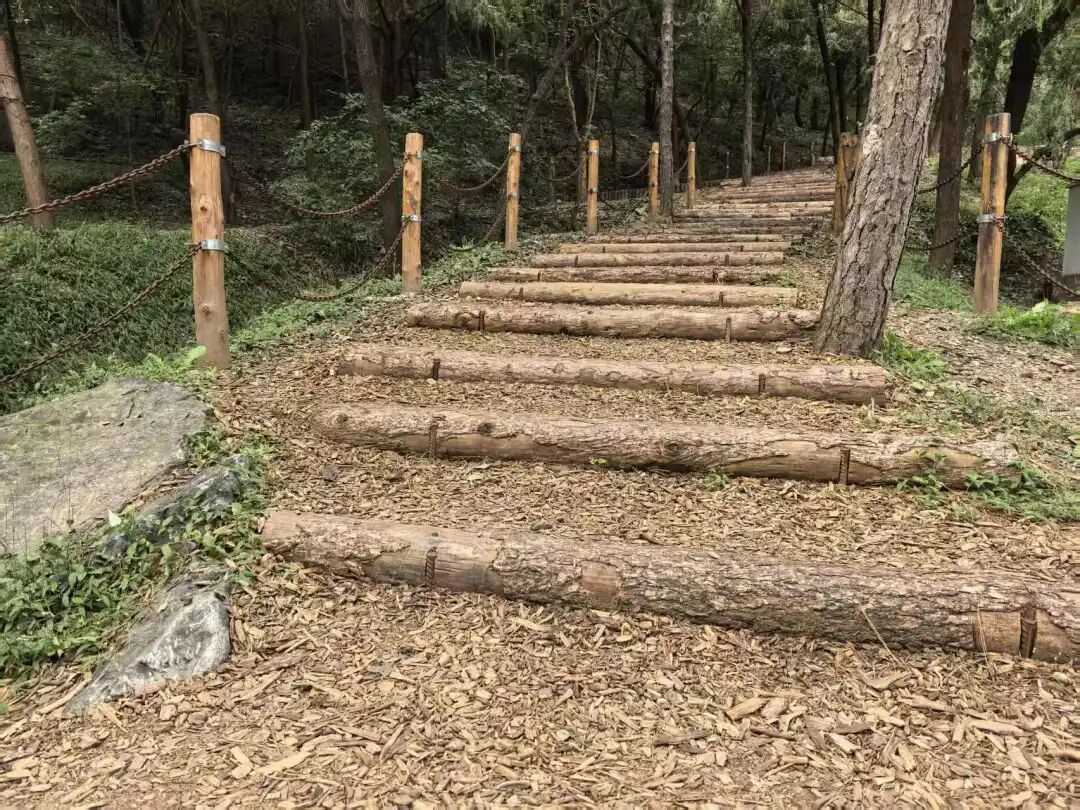
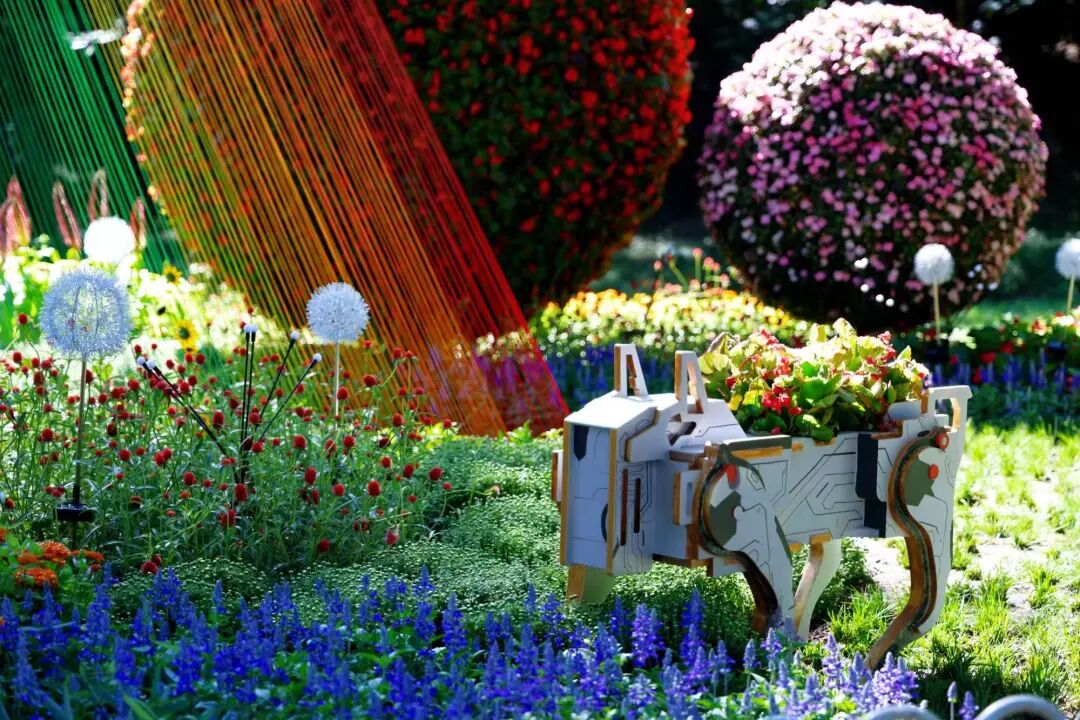
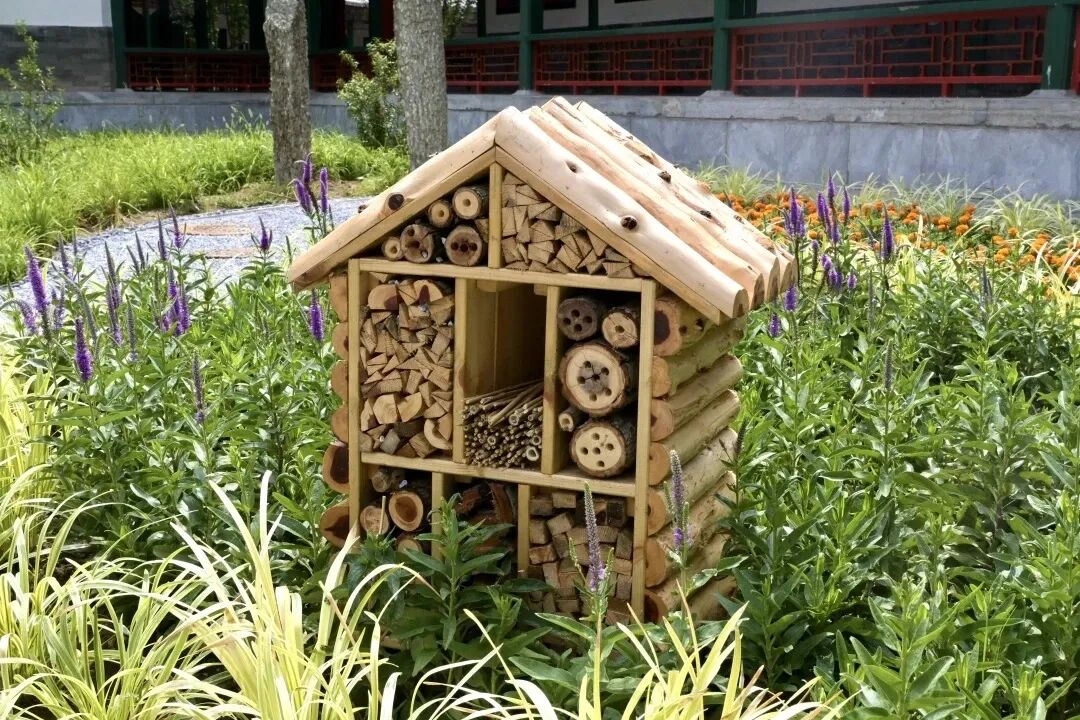
A third approach is "minimal intervention", where materials are repurposed directly as part of the scenery. At Zhongshan Park, for example, felled poplar trunks and branches have been transformed into benches, stepping stones, and even an "insect hotel", providing habitats for various insects.
In recent years, the Beijing Municipal Administration Center of Parks has developed a green, low-carbon recycling system that gradually turns garden waste into usable resources, strengthening the ecological function of the soil in the parks' green spaces. Improvements in sorting and transporting garden waste have also boosted efficiency, with the recycling rate rising by 20 percent year-on-year.
(Source: Beijing Fabu)