Can Passengers Change Seats on High-Speed Trains? Check out This Official Clarification of China Railway

Which seat do you prefer when taking a high-speed train? Continue reading to learn more about the seats of high-speed trains in China→ How Are Seats Arranged?
How Are Seats Arranged?
Take the Fuxing intelligent EMU (electric multiple unit) train as an example.
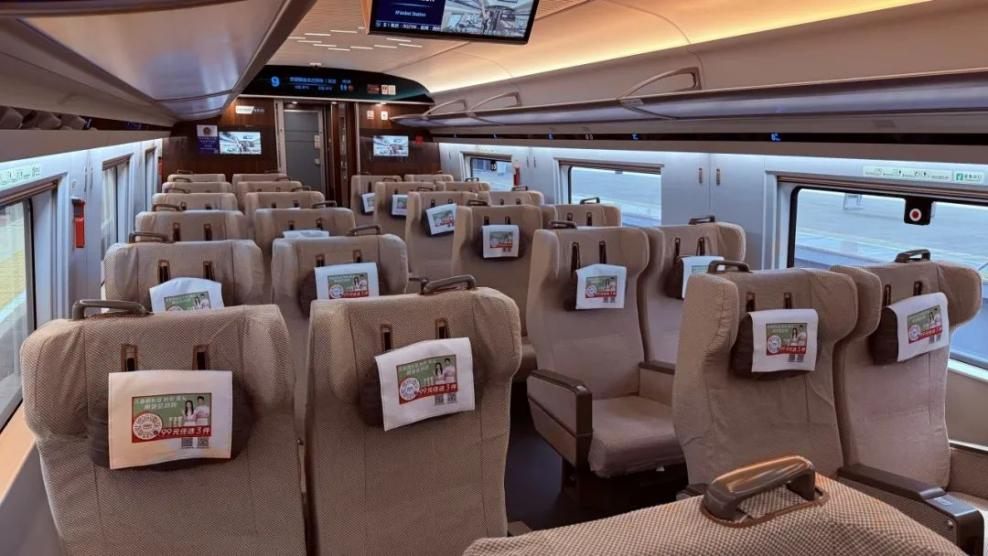
The second-class seats are typically arranged in a "3+2" pattern, from left to right in the order of A, B, C, D and F. On every row, seats A and F are located respectively by the windows on the two sides, seats C and D are by the aisle, and seat B is located between seats A and C.
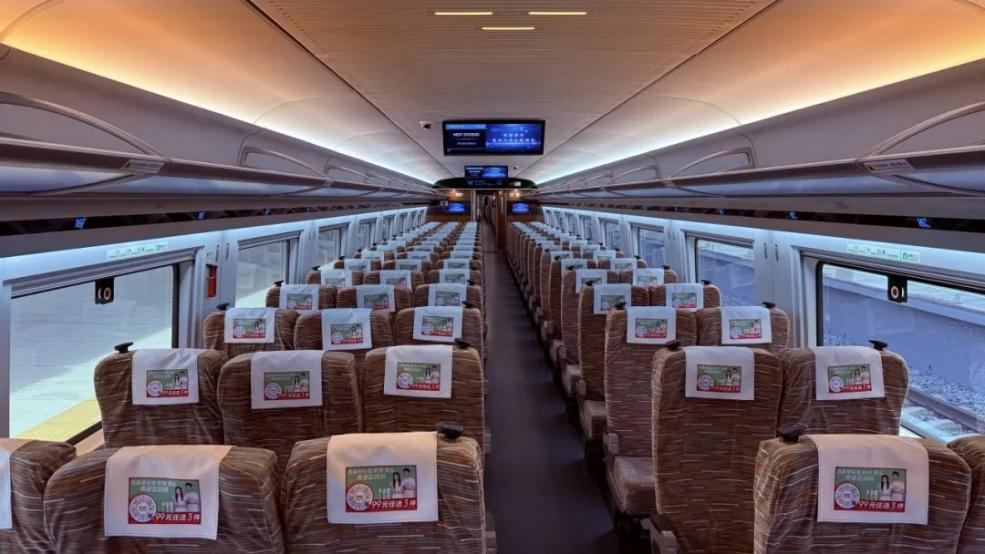
The first-class seats are typically arranged in a "2+2" pattern, from left to right in the order of A, C, D and F. On every row, seats A and F are located respectively by the windows on the two sides, and seats C and D are by the aisle.
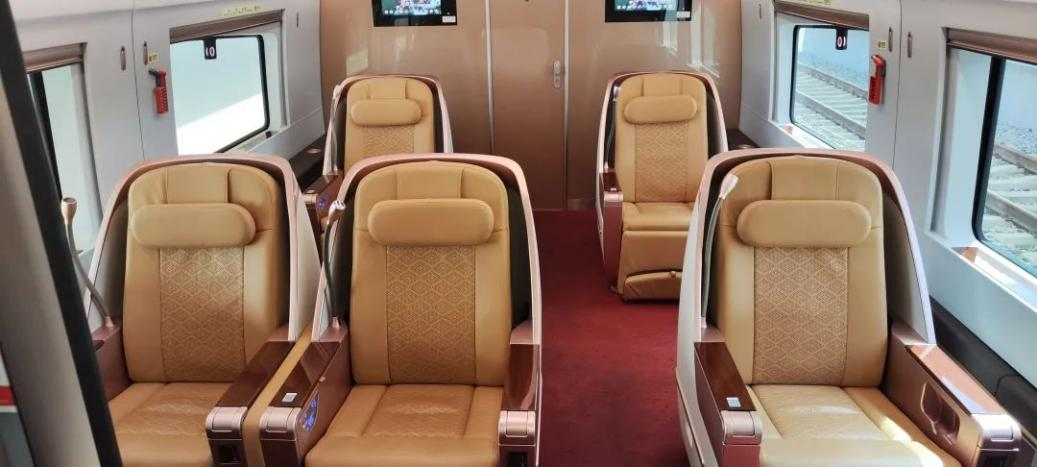
The business-class seats are usually arranged in a "2+1" or "1+1" pattern, from left to right in the order of A, C and F, or just A and F. Seats A and F are respectively by the windows on the two sides, and seat C is by the aisle.
Where Are Seats E?
Since airplanes were invented earlier than high-speed trains, the seat arrangement convention was established per the airplane standard. Most early airplanes had a single aisle with six seats per row (ABC+DEF), where seats A and F were by the windows, B and E in the middle, and C and D by the aisle.
High-speed train seats adhere to this international convention, but with a maximum of five seats per row. To maintain the specific letters designated for window (A/F) and aisle (C/D) seats, seats E are omitted.
Why Do Seat Indicators Change Colors on High-Speed Trains?
When riding on a Fuxing train, passengers will notice several indicator lights arranged vertically under the luggage rack for every seat in second-class cabins, which may display red, green and yellow lights. These lights represent the occupancy status of the seats:
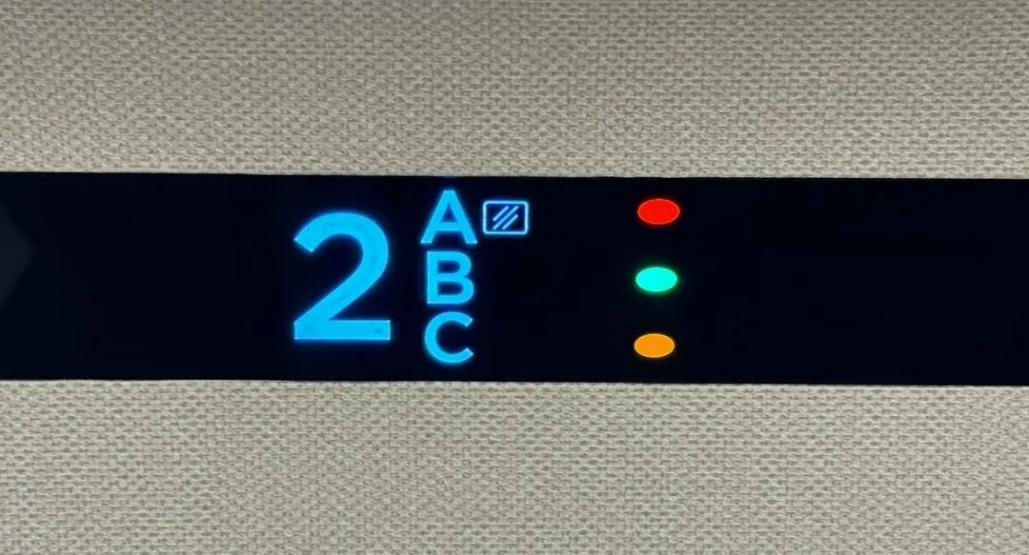
Red indicates that the seat is occupied by a passenger at the current station (sold); green means that the seat is unoccupied at both the current station and the next station (unsold); while yellow signifies that the seat is unoccupied at the current station but will be taken by a passenger at the next station (pre-sold).
Can I Change My Seat via the 12306 App?
The 12306 App does not offer the online seat-changing function. Seat changes must be completed through ticket changes. Third-party ticketing platforms also process applications for seat changes through ticket changes, but they carry certain risks. Passengers are advised to use the Railway 12306 App for online ticket purchases and changes.
(Source: China Railway)