

When I, Marcel NSENGIMANA (罗成), decided to pursue my Master's studies at Beijing University of Civil Engineering and Architecture (BUCEA), I was drawn to the university by its strong reputation in civil and structural engineering, its advanced research facilities, and its unique position at the heart of China's growing role as a global leader in infrastructure development. Coming from Rwanda, a country undergoing rapid urbanization, I was eager to learn in an environment where academic excellence meets large-scale, real-world engineering practice. BUCEA's campus atmosphere, along with the opportunity to engage directly with professors and peers from diverse backgrounds, made it the ideal place for me to further my studies.
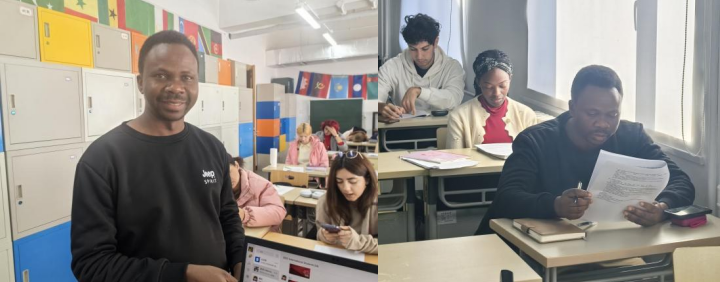
Figure 1: Participating in a Classroom Discussion
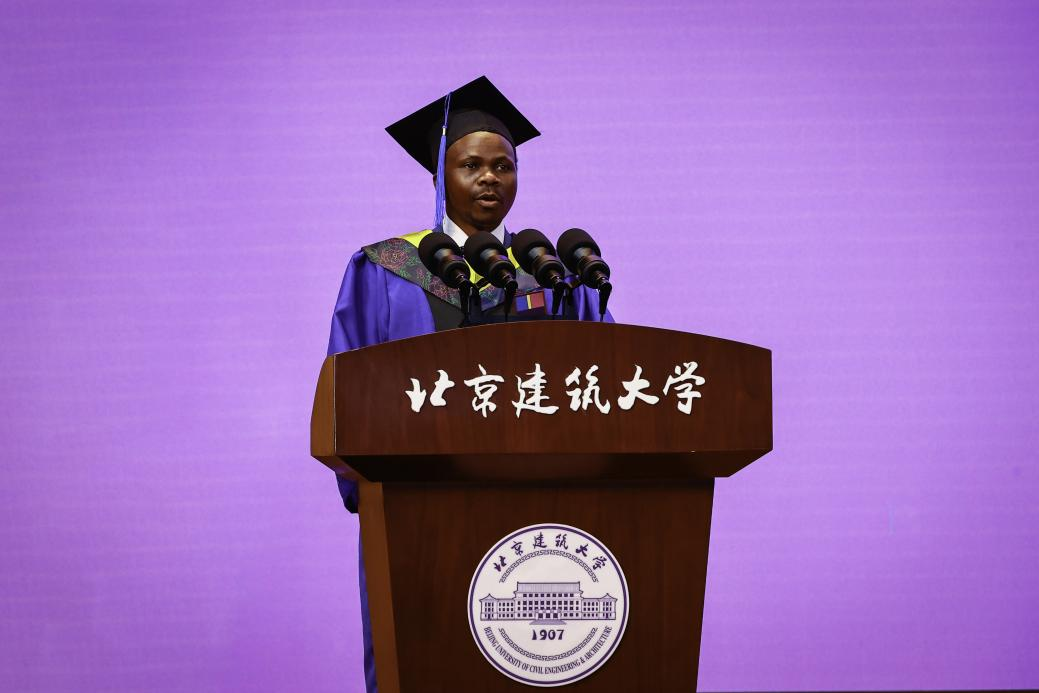
Figure 2: Delivering the Graduation Address as International Student Representative
One of my most important milestones at BUCEA was my master's thesis, titled: "Numerical Simulation of All-bolted Beam-to-column Connections for the Self-centering Steel Frame." Under the guidance of Professors Zhang Yanxia and Zhang Ailin, I gained deep knowledge in structural engineering and advanced finite element analysis using ABAQUS. This project challenged me to combine theory with practice, strengthened my problem-solving skills, and laid the foundation for my future doctoral studies.
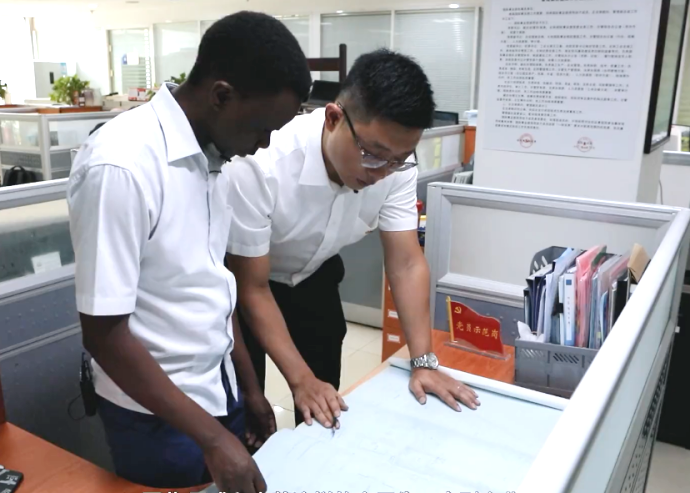
Figure 3: Gaining Practical Experience during an Internship at CRCEG
Equally transformative was the internship opportunity that BUCEA arranged for me in 2021 at the China Railway Construction Engineering Group (CRCEG). That internship served as a bridge to my professional career. After graduating, I joined CRCEG as a Civil Engineer, where I applied the knowledge and skills I had gained at BUCEA to real-world projects. For example, in Rwanda, I worked on the construction of the RURA Headquarters Twin Towers project, which emphasized green building and value engineering principles. I also contributed to the Kigali Centralized Sewerage System (KCSS) project, where my key responsibilities included design, construction supervision, and quality assurance. These experiences allowed me to develop my leadership, technical problem-solving, and cross-cultural teamwork skills.
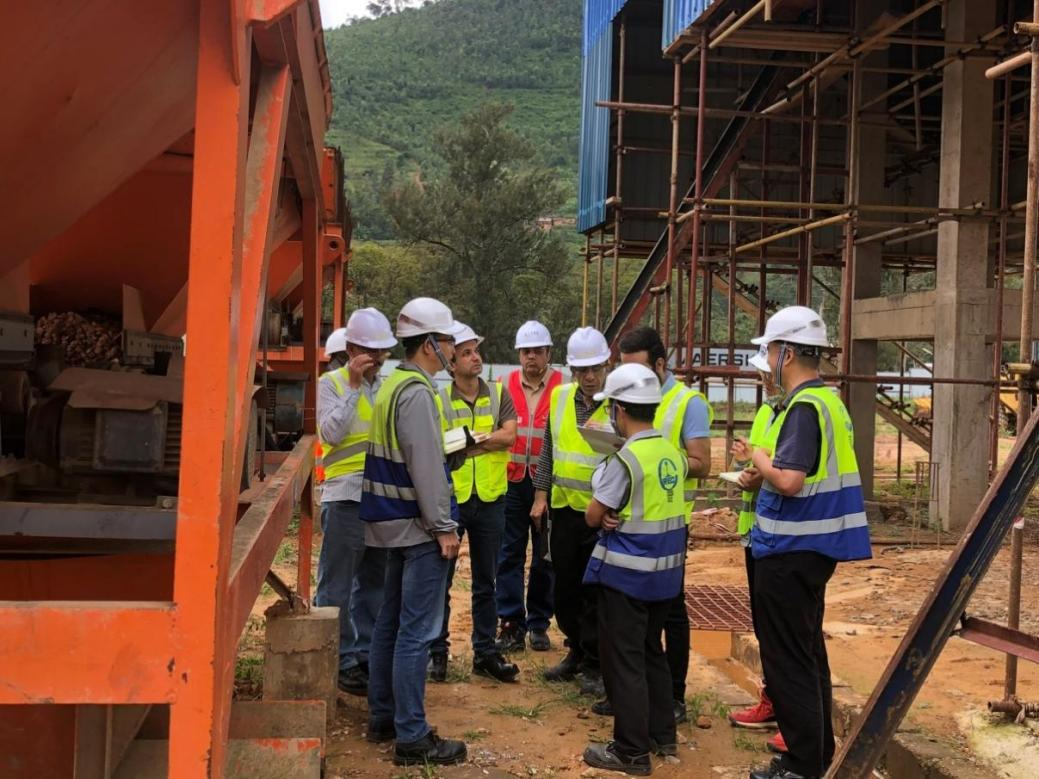
Figure 4: A Meeting with Project Stakeholders
My professional journey with CRCEG has allowed me to participate in projects that bridge China and Africa, both technically and culturally. In the RURA Headquarters project, the collaboration between Chinese engineers and local professionals demonstrated how knowledge transfer can foster sustainable development. Similarly, the KCSS project provided an opportunity to share Chinese expertise in water infrastructure with Rwanda, while also integrating local needs and context. These experiences convinced me that engineering is not only about structures and materials, but also about building trust, cooperation, and shared progress between nations.
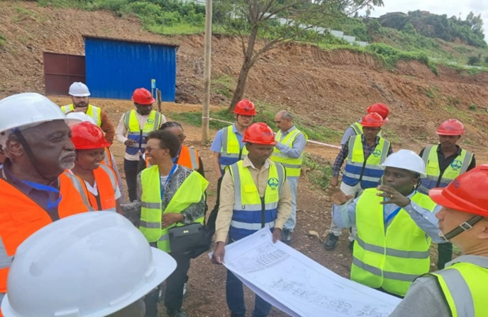
Figure 5: Coordinating Communication Between the Project and Key Stakeholders
Looking back, I can confidently say that BUCEA has been the cornerstone of my academic and professional growth. It provided me with not only knowledge and opportunities but also a home away from home.
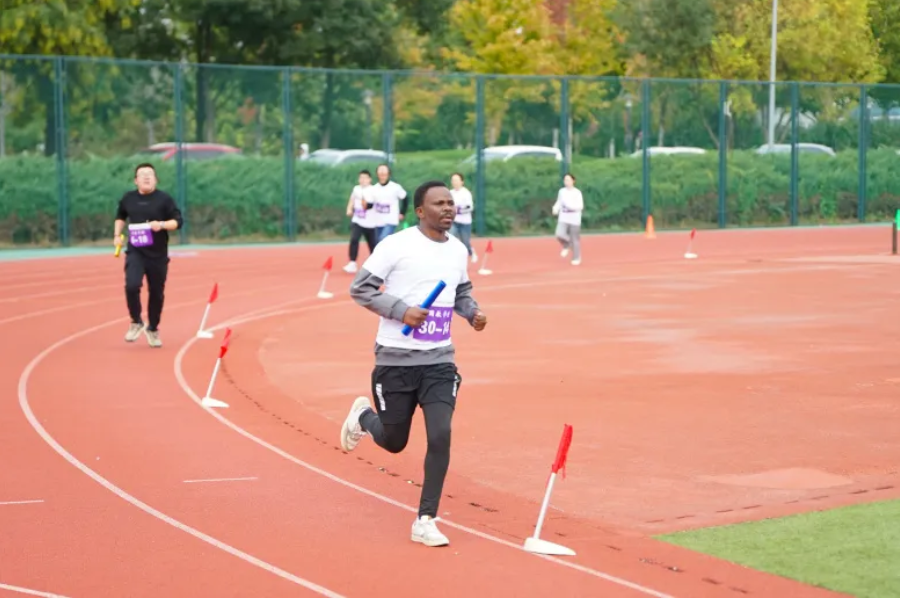
Figure 6: Running in a Mini-Marathon as an International Alumnus
As I now embark on my PhD at BUCEA, I carry with me a profound sense of both gratitude and responsibility. I hope my story can inspire other international students to see education as a bridge that connects countries, cultures, and people, while empowering us to build a better future together.