Beijing's Environmental Quality Improves Significantly as Forest Coverage Hits 45 Percent

In 2025, Beijing's annual average concentration of fine particulate matter (PM2.5) dropped below 30 micrograms per cubic meter for the first time, reaching 27.0 micrograms per cubic meter, a year-on-year decrease of 11.5 percent – the lowest level since monitoring began. The number of days with good air quality reached 311, accounting for over 80 percent of the year for the first time. Blue skies have become the norm.
The city's water quality continued to improve. Water quality at major centralized drinking water sources for urban areas, such as the Miyun and Huairou Reservoirs, remained stable, meeting national standards. Among the 37 nationally monitored sections, 100 percent of the waters were rated Class III or above, while sections below Class V had been gradually eliminated.
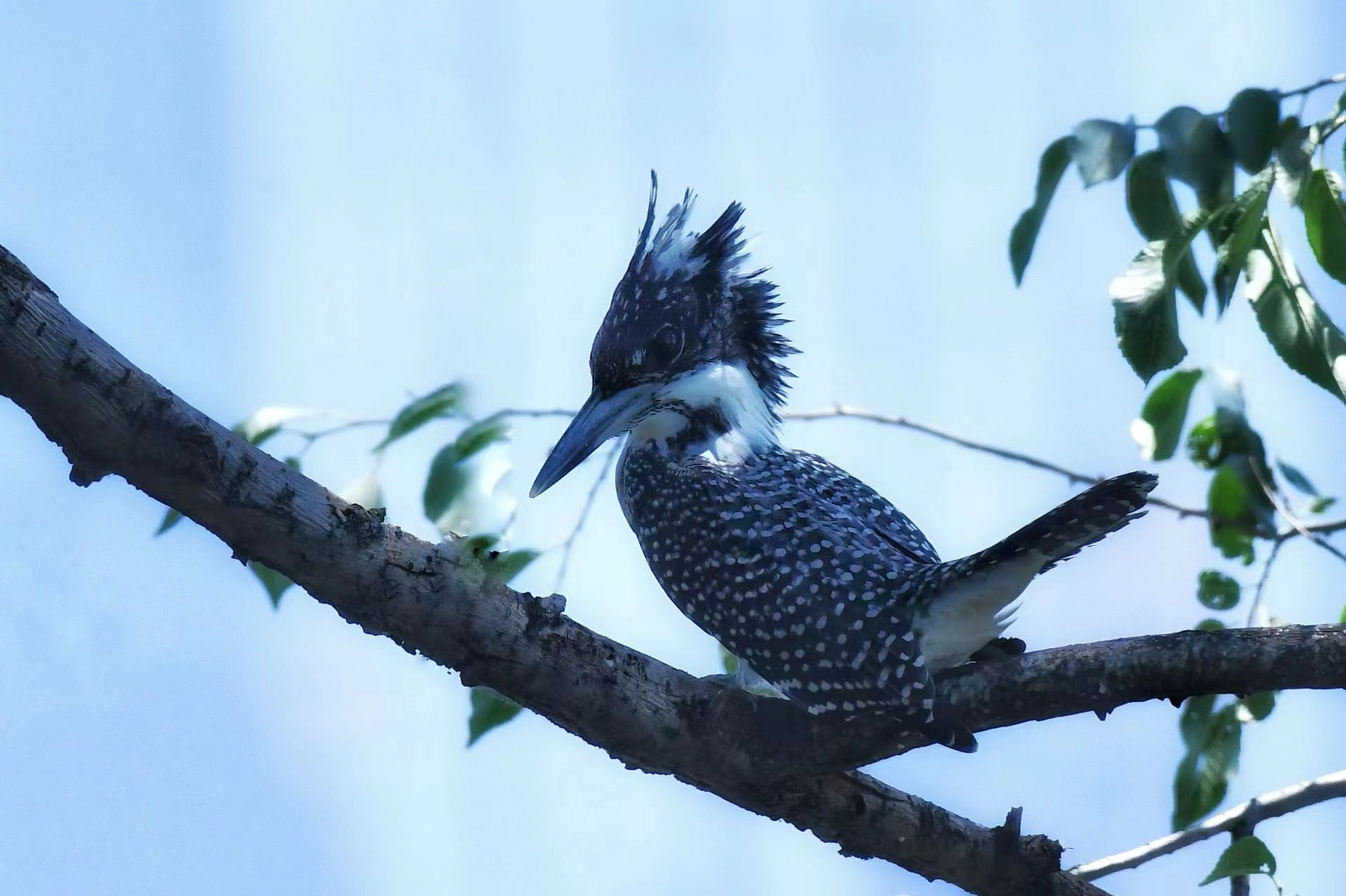
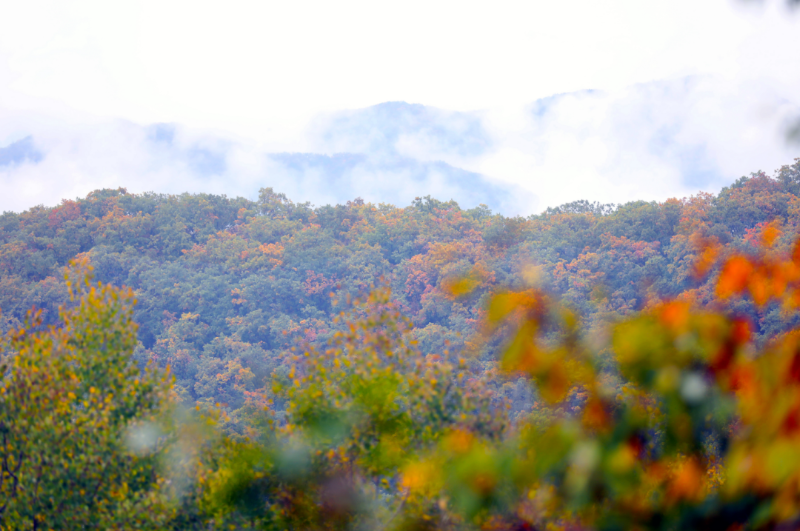
In addition, the city's forest coverage reached 45 percent, and Beijing released its first white paper titled Biodiversity Conservation in Beijing. The number of parks in the city reached 1,136. For the first time, Beijing implemented an exchange-and- compensation mechanism between the Gross Ecosystem Product for Regulation Services (GEP-R) and the Gross Domestic Product (GDP), further strengthening the green development momentum in its ecological conservation areas.
Beijing issued and implemented documents establishing a dual-control system for carbon emissions, promoting coordinated efforts in energy conservation, afforestation, clean coal use, and reductions in gas and oil consumption. The city ensured the stable operation of the national voluntary greenhouse gas emission reduction trading market, further advanced the carbon incentive mechanism, and had its "Beijing MaaS Urban Green Travel" case included in the global best practice collection in sustainable transport.
In key areas such as energy, industry, and transport, Beijing sourced over 44 billion kilowatt-hours of green electricity from other regions, with renewable energy accounting for more than 19 percent of total energy consumption. The city established 182 national-level green factories and 30 green supply chain management enterprises, and built a green transport chain combining rail and new-energy freight vehicles.
(Source: Beijing Daily)