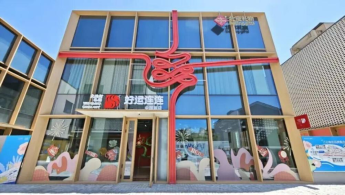
A total of 766 physical first stores have been opened in Beijing in the first three quarters of 2026, with 893 sessions of new product launches, debut shows, new exhibitions and new live performances launched in the same period.
Specifically, the first stores in the catering sector account for nearly 60 percent of these new first stores. Healthy light meals and innovative tea drinks target young consumers' demand for lifestyle-oriented consumption. High-end catering brands are expanding rapidly into suburban Beijing's short-getaway destinations, establishing their presence in Huairou, Miyun, Mentougou and other districts to fill the absence of premium dining options for short-term travelers within Beijing. Service consumption is also being upgraded. AI technologies are moving quickly from industrial tools to tools for offline consumption scenarios, while services for cultural and leisure experiences continue to grow in ecological conservation zones, meeting residents' demands for both weekend breaks and immersive experiences.
In terms of spatial distribution, Beijing's first store network, built on the "one core, multiple poles" layout, is expanding across a wider area. Chaoyang District leads the city with 267 new first stores and remains the hub for the debut economy. In the third quarter this year, several first stores opened along the Beijing Central Axis, offering iconic choices for cultural consumption. Meanwhile, non-standard commercial spaces are also deeply integrated with the curator-led economy. Projects including Shokai LONG Street in Songzhuang, Tongzhou District, and Poly Time Edition were launched one after the other, driving Beijing's first store economy to penetrate consumer spaces citywide.
Beijing's debut economy demonstrated progress across multiple sectors. A total of 893 sessions of new product launches, debut shows, new exhibitions and new live performances were held across the city in the first three quarters of 2026, with 150 in September alone, marking a 17.2-percent month-on-month increase.
(Source: Beijing Daily)