Liangma River Waterfront Corridor Selected as One of International Outstanding Practices on Urban Regeneration

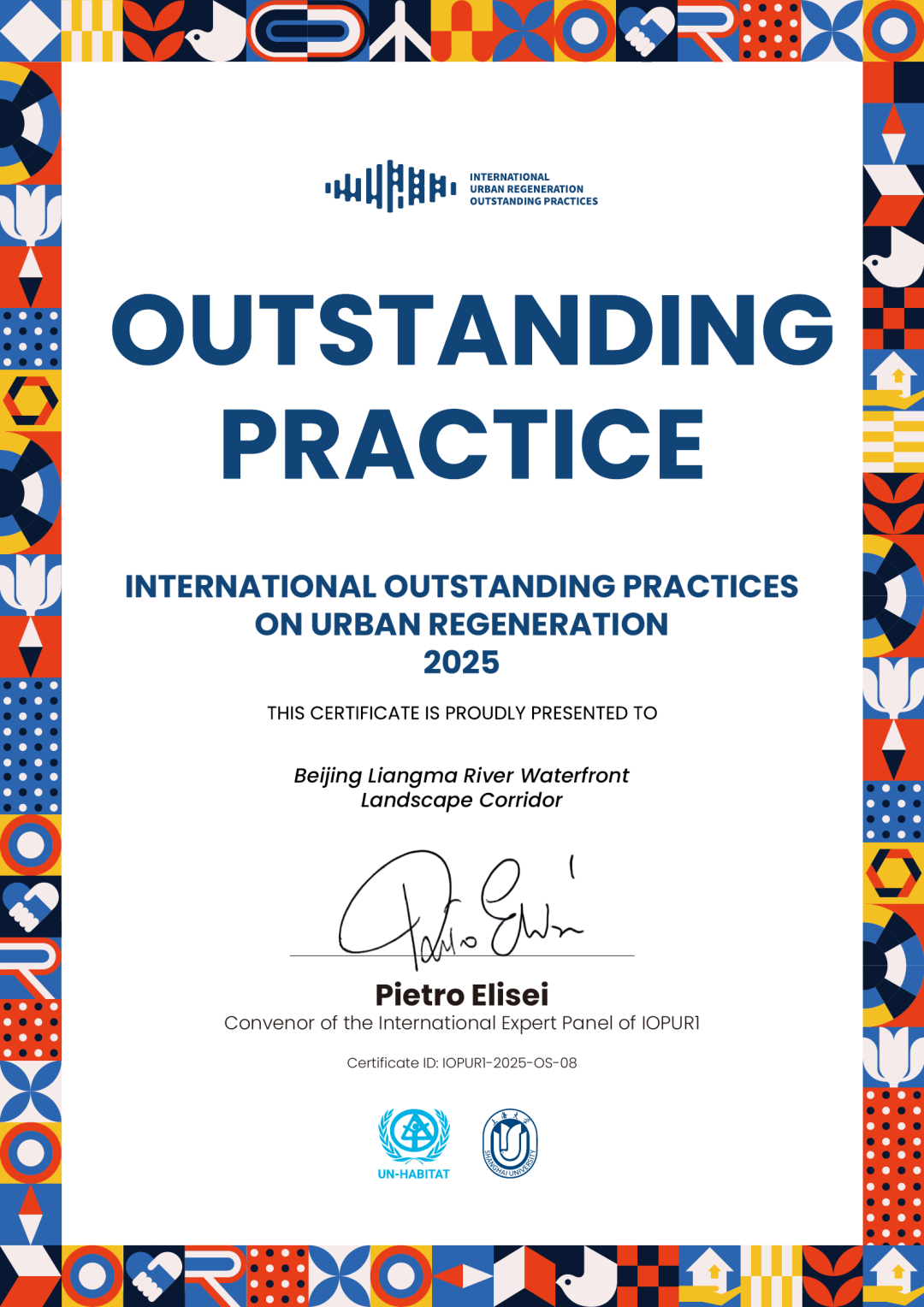
At the 13th World Urban Forum held recently in Azerbaijan, the Liangma River Waterfront Corridor in Beijing's Chaoyang District was selected into the first batch of the top 10 International Outstanding Practices on Urban Regeneration. This recognition marks the 37th major award received by the Liangma River project, highlighting the international community's strong recognition of China's innovative practices in waterfront governance and urban renewal. The project also presents a distinctive "Chinese solution" for sustainable development in urban areas worldwide.
Jointly launched by the United Nations Human Settlements Programme (UN-Habitat) and the Shanghai University (SHU), the International Outstanding Practices on Urban Regeneration is regarded as one of the most authoritative initiatives for the evaluation of global urban regeneration practices.
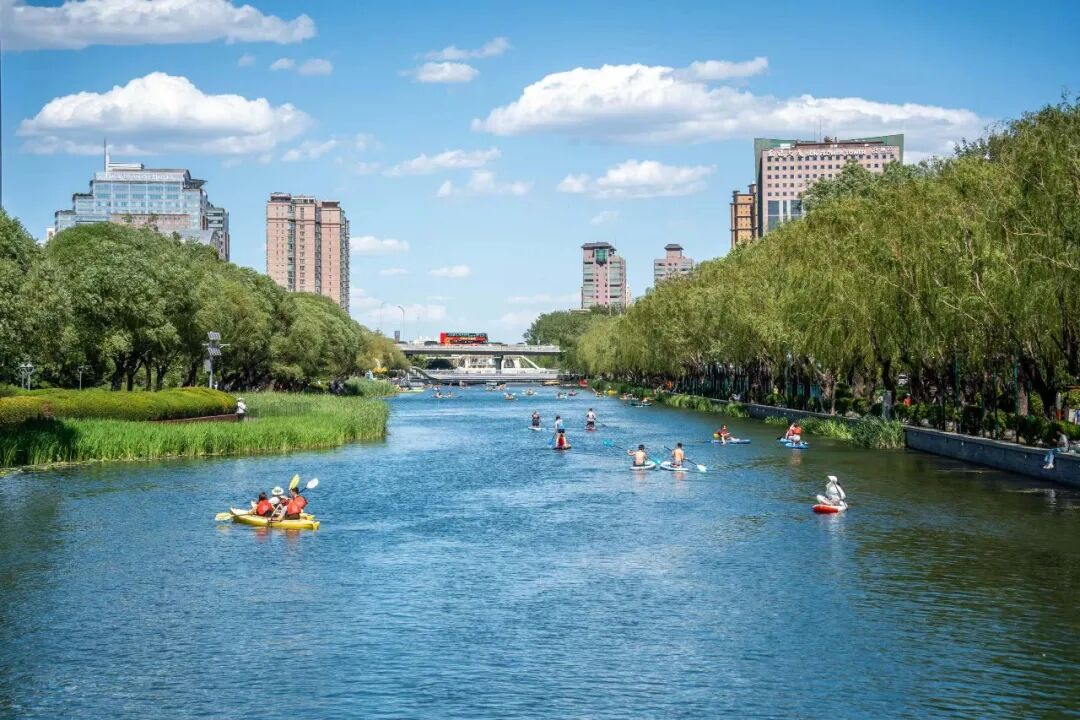
As an important part of the Grand Canal Cultural Belt, the Liangma River enjoys a prime location and forms a key section of the northern sub-system within the city's "three-ring" water system. Diplomatic and business areas essential to the capital are located on its banks, with the Second and Third embassy zones neighboring the river. The river also connects major commercial areas including Sanlitun, Yansha and SOLANA.
Since 2019, Chaoyang District has taken a new approach to water governance, driving urban renewal through river revitalization. Through innovative public participation and integrated waterfront management, the district has carried out six major projects: shoreline renovation, bridge reconstruction, slow-traffic connectivity, landscape lighting, river-lake connection and tourism navigation.
The project has led to the creation of 800,000 square meters of high-quality spaces, 18 kilometers of waterfront greenways and 6 kilometers of cruise route. Through tangible and accessible benefits derived from water management, the river and its surrounding areas have together formed a public zone, accentuated by recreational programs such as paddle-boarding and swimming, and the remarkable nighttime scenery. Thoughtful details, including the 13-degree ergonomic handrails, 45-centimeter-high seating, and revolving gates, further demonstrate the project's people-centered design philosophy.
Meanwhile, commercial renewal along the riverbanks has fueled the local cultural tourism spending. Business activity in the area has increased by more than 32 percent, while the sales revenue has grown by over 40 percent. Today, the Liangma River has become a new urban landmark and symbol of Beijing, functioning as a dynamic waterfront economic belt for leisure and cultural tourism, commercial activity, and consumption.

(Source: Beijing Chaoyang)