
Save and Share! Radiators Not Heating Up? Try These Steps Instead of Draining Water!

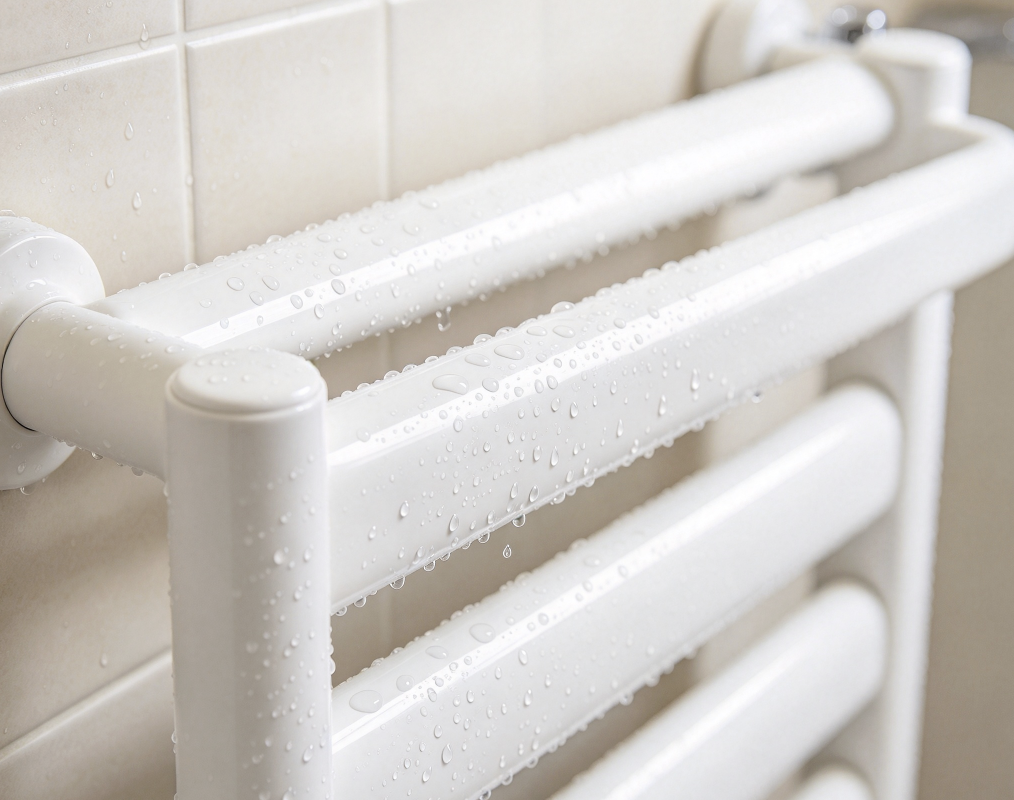
Beijing's central heating will officially begin on November 15. What should you do if your radiators aren't heating up? What precautions should you take during the heating season?
First, keep this standard in mind: During Beijing's official heating season, temperatures in bedrooms and living rooms should be no lower than 18°C.
If your home still feels noticeably cold after the heating season begins and your radiators aren't warming up, is draining water the answer? The truth is: the more water you drain, the colder your home may get!
The heating system operates as a closed loop, with hot water circulating under stable pressure to keep every household warm. Draining water causes a sudden drop in system pressure, forcing the heating station to replenish the system with room-temperature water to maintain circulation. As this water enters the pipes, it displaces the hot water already in the system, causing the temperature of the radiators to drop sharply.
If your radiators aren't heating up, try the following steps to troubleshoot some common minor issues, instead of draining water.
Step 1: Check whether the valves are open
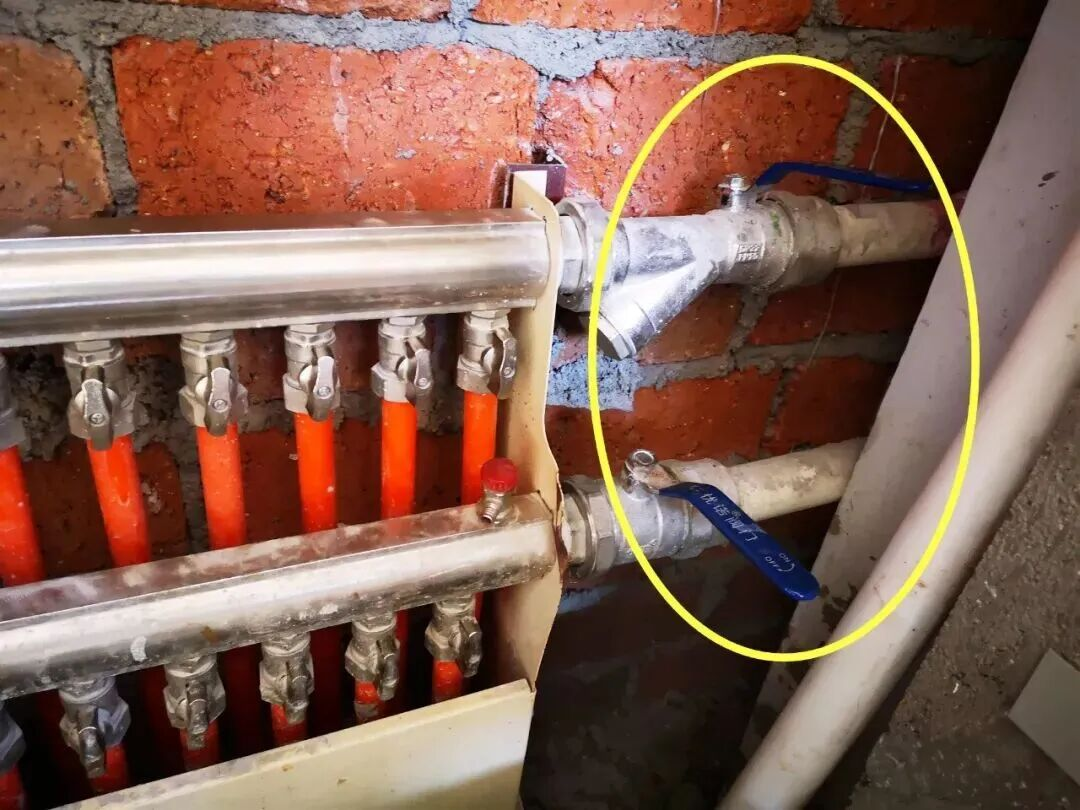
Check the radiator's inlet and outlet valves.
Valve handle parallel to the pipe: usually open.
Valve handle perpendicular to the pipe: usually closed.
First, make sure the valves are fully open.
[Photo via CCTV News App]
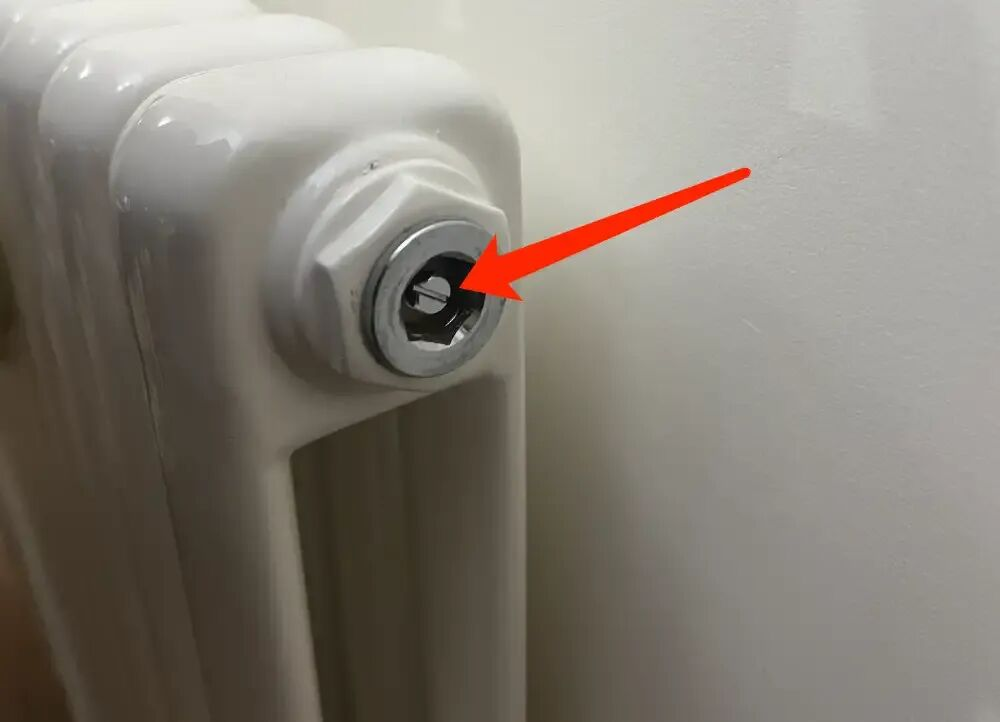
Step 2: Bleed the Radiator: Trapped air can also prevent a radiator from heating up. The bleed valve is usually located at the top of the radiator
How to do it:
Locate the bleed valve. If it has a cover, gently remove it.
Slowly turn the bleed valve counterclockwise using a screwdriver or your hand.
You should hear a hissing sound as air escapes. Do not turn the valve too quickly or too far.
Place a basin or other container underneath to catch any water.
Once water begins to flow steadily, this indicates that the air has been released. Immediately close the valve tightly.
Caution: If you accidentally unscrew the bleed valve completely and a large amount of water starts leaking out, immediately shut off the inlet valve below the radiator and contact your heating provider for assistance.

Some radiators have a decorative cover next to the bleed valve. Simply remove it gently. If you're unsure how to remove it, proceed carefully to avoid damaging the radiator.
Step 3: Clear Obstructions and Clean the Filter
A clogged filter can also restrict the flow of hot water, preventing the radiator from heating up properly. It is recommended that you clean the filter.
Watch Out for "Heating-Related Illness" During the Heating Season
If you experience symptoms such as dry mouth, itchy skin, nasal congestion, or coughing after the heating comes on, be alert to the possibility that you may be experiencing what's commonly called "heating-related illness".
This refers to a range of symptoms associated with indoor temperatures above 25°C, humidity levels below 30 percent, and poor ventilation. These conditions may contribute to respiratory problems such as bronchitis and asthma, as well as fluctuations in blood pressure and an increased risk of cardiovascular disease.
Tips for Preventing "Heating-Related Illness"
Stay Hydrated
Drink 1.5-2 liters of water a day, sipping small amounts regularly throughout the day. Eat more water-rich fruits and vegetables, cut back on greasy and spicy foods, and avoid alcohol whenever possible.
Ventilate Your Home Regularly
Open your windows two to three times a day, preferably between 9:00 and 11:00 or between 14:00 and 16:00, for at least 30 minutes each time.
Increase Indoor Humidity
If the air in your home is too dry, consider using a humidifier, placing bowls of water around the room, or adding indoor plants to help increase humidity.
If your radiators still aren't heating up after these checks, call the heating provider's service and repair hotline listed in your residential community. This will help maintenance staff respond to the problem as quickly as possible.
(Source: Beijing Fabu)