
Beijing Unveils 40 Medical Tourism Packages! Are You Ready for a Wellness Getaway?

[Photo via VCG]
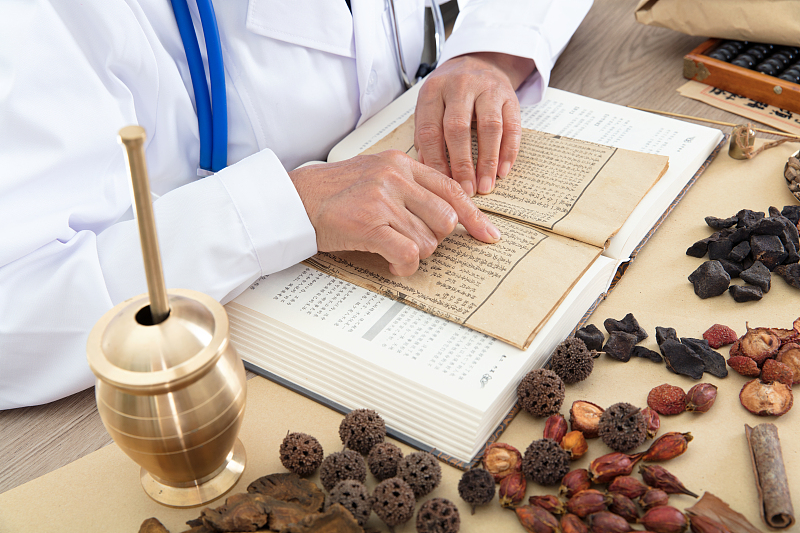
The World Conference on Traditional Medicine 2026 was held in Beijing recently. Twenty-one major medical institutions in the city have introduced 40 medical tourism packages themed on traditional Chinese medicine (TCM) for international patients. The packages cover specialties such as bone and joint rehabilitation, postoperative recovery for cancer patients, and women's health management. Overseas patients can submit their medical records online for remote assessments by TCM specialists, allowing them to confirm their healthcare plans in advance.
Since Beijing launched its international medical services pilot program in 2020, the number of participating institutions has grown from eight to 18. They include international departments at public hospitals and private medical institutions serving international patients. As of the end of 2025, 86 medical institutions, including hospitals at secondary level or above and pilot institutions, had connected to international commercial insurers, with an international commercial insurance coverage rate reaching 25.98 percent. Beijing supports pilot hospitals in applying for the import of medicines urgently needed for clinical care. Forty-one hospitals now offer an English version of the 114 appointment-booking service, and 18 pilot institutions allow international patients to register using their identity documents such as passports and residence permits.
Beijing has further expanded the scope of its services by integrating cultural and tourism resources, fostering innovative development in international medical tourism centered on TCM, and building an integrated service model that combines medical care, tourism, and cultural experiences. The 40 TCM medical tourism packages developed by 21 major medical institutions offer standardized diagnosis and treatment plans with clear treatment course and transparent pricing, along with wellness guidance and cultural experiences.
The packages can make direct billing to commercial health insurers and allow patients to make payment in multiple currencies. Their treatment methods combine acupuncture, tuina (therapeutic massage), and Chinese herbal medicine taken orally or applied externally. After completing treatment, patients can receive cross-border follow-up consultations and at-home wellness guidance, forming a closed loop of "short-term diagnosis and treatment in China, long-term cloud-based wellness care outside China". Beyond clinical services, the packages include immersive cultural experiences such as learning to identify medicinal herbs and exploring medicinal cuisine.
The packages also connect visitors with Beijing's rich cultural tourism resources. The Chinese capital has promoted these services through national platforms such as the China International Fair for Trade in Services (CIFTIS), while continuously improving related industry standards and expanding related service offerings.
(Source: The Beijing News)

