
Fabien Loudet: From Fear to Trust—My Experience with Healthcare in Beijing

"You'd better check now whether you can get a doctor's appointment," my brother told me over the phone.
"What do you mean? The race is still three months away," I replied.
He sighed. "Things aren't quite the same as when you left France... you'll see."
That conversation took place a few years ago. I was planning a trip back to France and wanted to take the opportunity to sign up for a trail race in the Alps. In France, all participants must provide a medical certificate confirming they are fit to compete, and the certificate must have been issued within the previous year.
Since I'd been living in China since 2009, there was no way I could have obtained one in advance. I assumed that once I got back to France, I'd simply book an appointment with a general practitioner, get the certificate signed, and be done with it a few days before the race. That seemed perfectly reasonable—after all, that's exactly how things worked when I left France.
But I quickly realized that the French healthcare system had changed dramatically. One of the biggest challenges is what people now call "medical deserts": areas, especially in rural parts of the country, where general practitioners have become increasingly scarce. I experienced this firsthand. Unless I was willing to drive to another city, getting an appointment was nearly impossible, and many practices weren't even accepting new patients anymore. For a country that once took great pride in its healthcare system, I found the change surprising.
I have to admit that when I first arrived in China 16 years ago, I was a little afraid of going to the hospital. I suppose it was because everything still felt unfamiliar, and I wasn't used to the crowds.
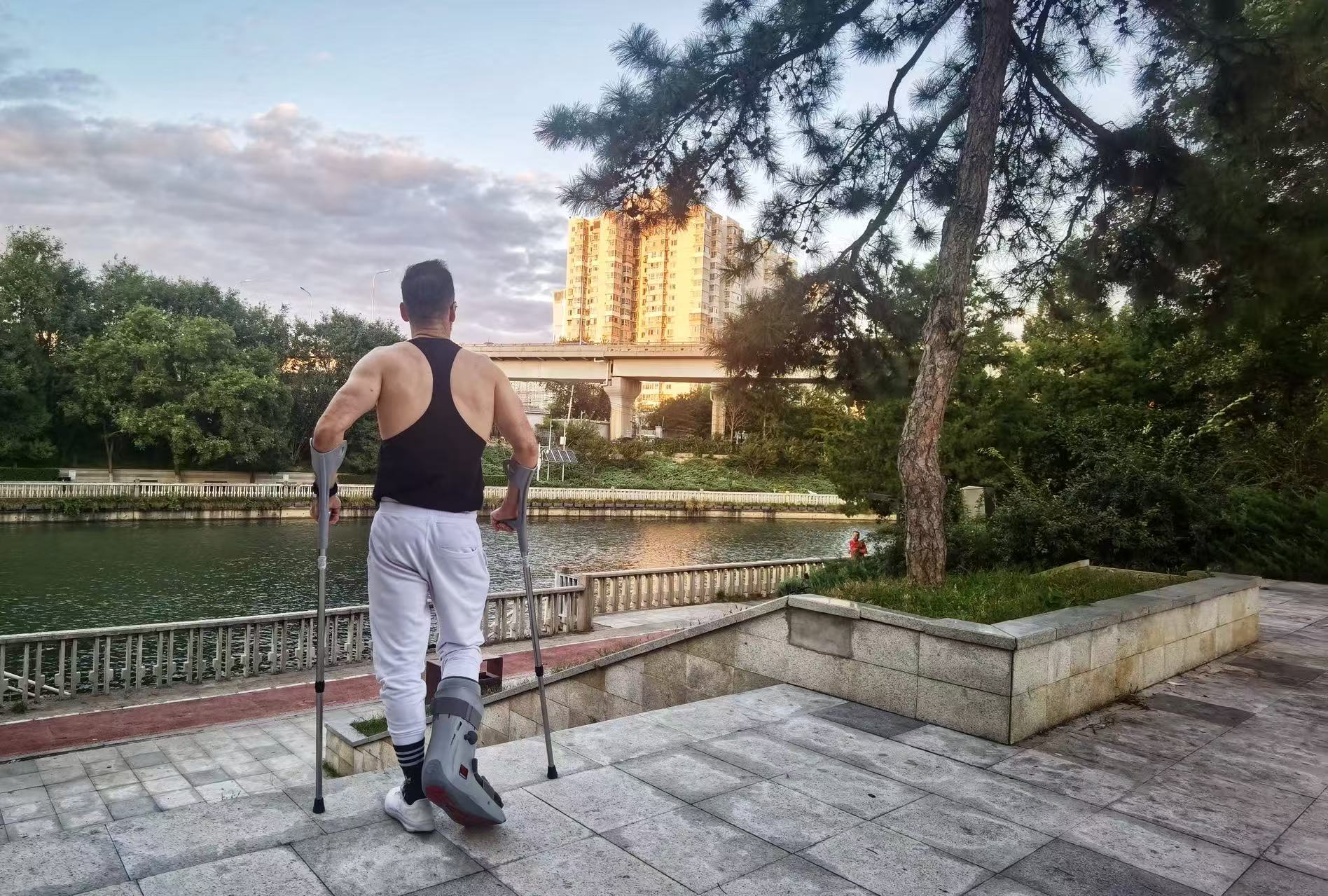
Then, two years ago, I broke my fibula during a race. It was a serious injury that required surgery and hospitalization.
Looking back now, I genuinely feel that I received outstanding care. The best proof is that I made a full recovery—and even went on to set my personal marathon record just 14 months after my first operation. Every member of the medical team involved in my treatment, from the nurses and doctors to the physiotherapists, demonstrated exceptional professionalism. I received healthcare of a very high standard.
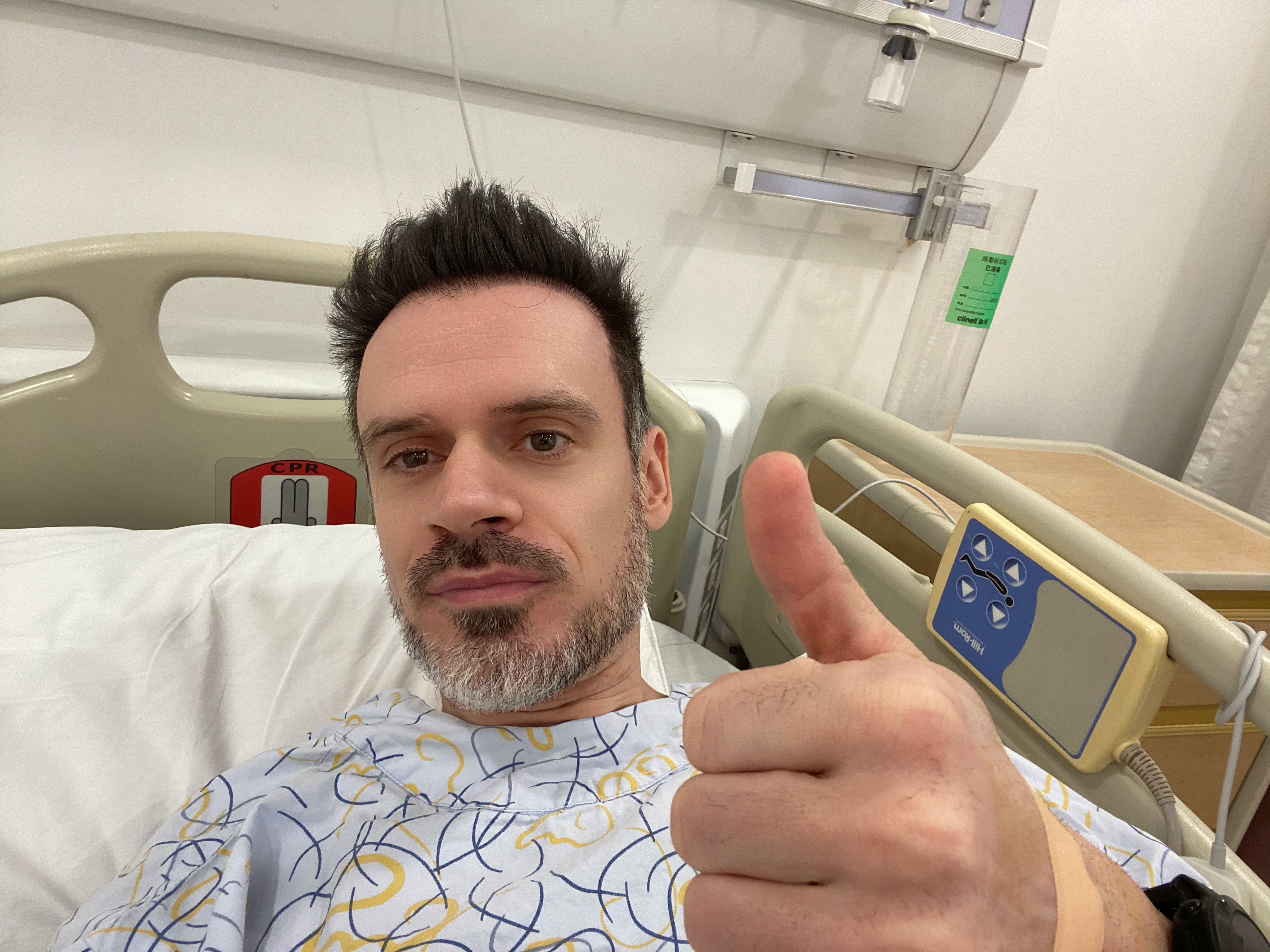
That experience also changed the way I thought about the crowds that had once intimidated me. Throughout my treatment, every healthcare professional I met inspired confidence through their skills and professionalism. Looking back, I even find myself wondering whether those busy hospitals that initially made me uncomfortable also reflect the vast amount of clinical experience their doctors accumulate every day. If I ever need surgery again, I'd certainly rather have a surgeon who's already performed the same operation hundreds of times.
More recently, I've seen news reports about people flying to China specifically for medical treatment. Based on my own experience, I don't find that surprising at all. In fact, I can completely understand why someone would make that choice.
Of course, I still hope I won't need to go back to the hospital anytime soon. But if that day ever comes, I won't feel the same fear I did 16 years ago. Instead, I'll go in with confidence, knowing that I'll be well looked after.
As for that medical certificate that started this whole story—once I was back in Beijing, I booked an appointment at a local hospital, and less than 48 hours later, I walked away with a signed and officially stamped certificate.
(Author: Fabien Loudet)
