
China's World Heritage Sites +1! Which of BJ's Sites Have You Visited?

Recently, at the 47th Session of the UNESCO World Heritage Committee held in Paris, France, a resolution was passed to inscribe China's "Xixia Imperial Tombs" on the World Heritage List. With this addition, China's total number of World Heritage sites has reached 60.
As the city with the most World Heritage sites, Beijing currently has eight World Cultural Heritage sites: the Forbidden City, the Great Wall, the Peking Man Site at Zhoukoudian, the Summer Palace, the Temple of Heaven, the Ming Tombs, the Grand Canal, and the Beijing Central Axis.
The Forbidden City
[Photo via VCG]
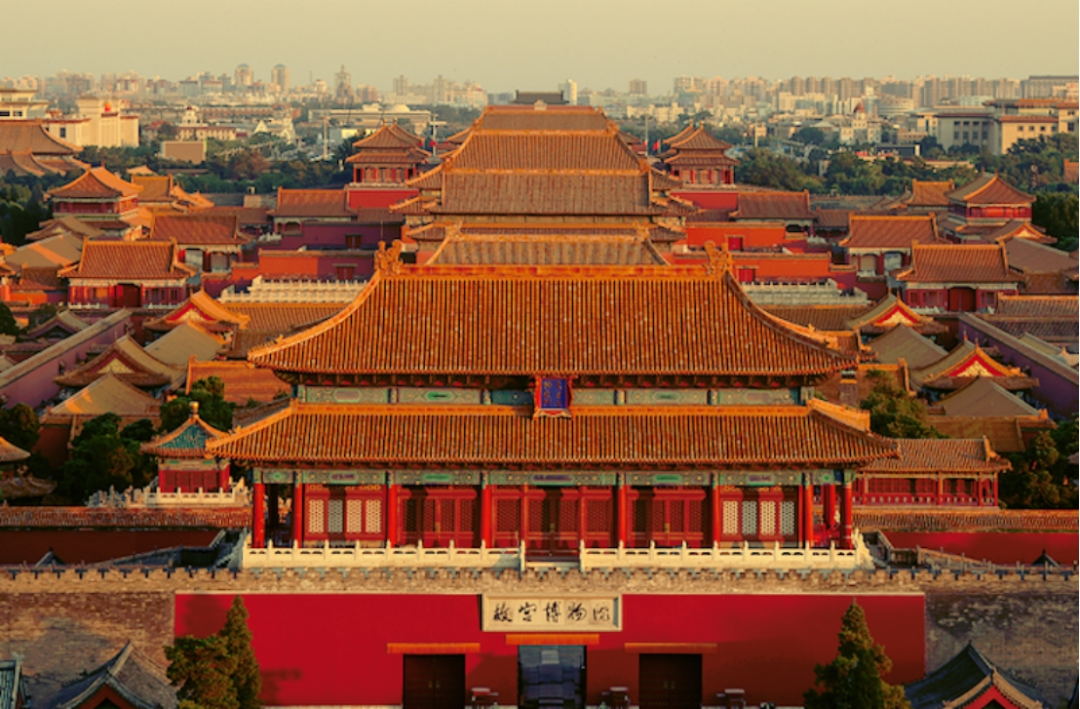
Established in 1925, the Palace Museum is a broadly representative museum on traditional Chinese art, based on the imperial palace of the consecutive Ming and Qing dynasties, known as the Forbidden City. In 1987 it was inscribed on the World Heritage List by UNESCO. In 2007, the Palace Museum was designated as a "national 5A Tourist Attraction", and the next year, it was among the first Chinese museums to be recognized by the National Cultural Heritage Administration as a "National First-level Museum".
The Great Wall
[Photo via tuchong.com]
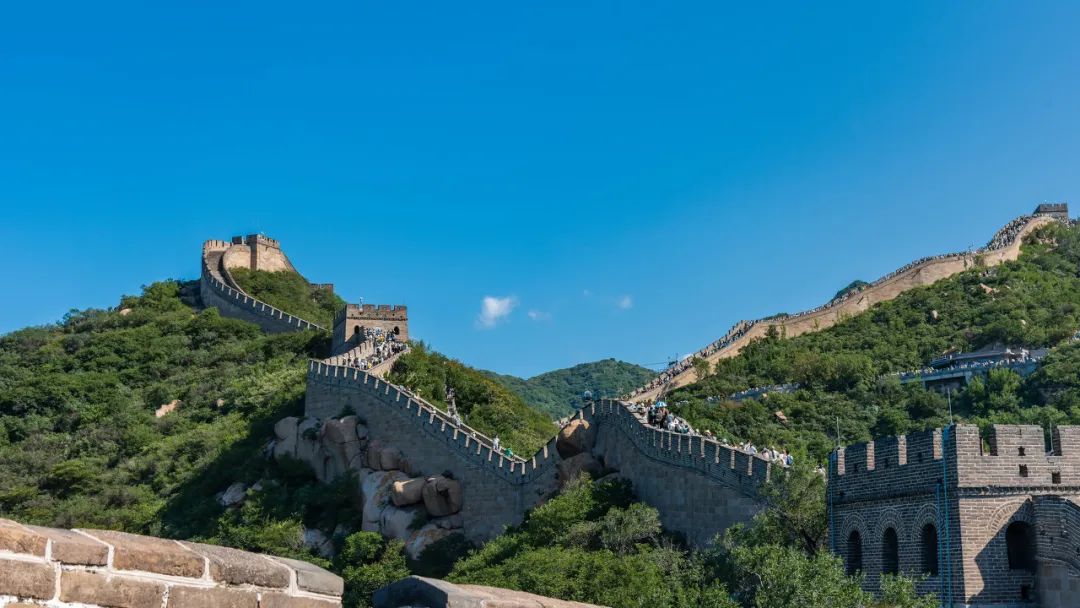
The Great Wall is one of the great miracles in the history of human civilization. It stretches tens of thousands of kilometers from east to west. The Great Wall is a symbol of the wisdom and spirit of the Chinese people, like a vigorous dragon, stretching endlessly on the steep cliffs, which is awe-inspiring and impressive. Beijing has seven UNESCO World Heritage Sites, one of which is the Great Wall.
Peking Man Site at Zhoukoudian
[Photo via tuchong.com]
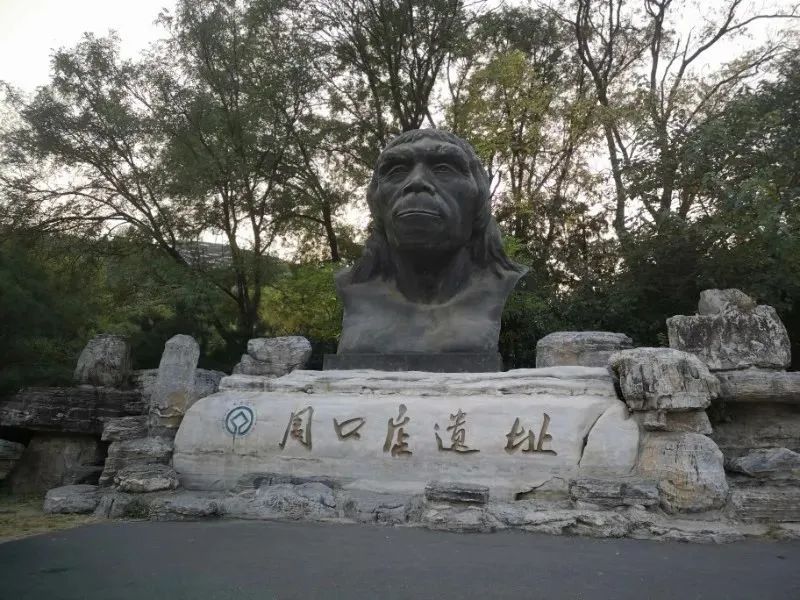
Zhoukoudian Site Museum is located at the foot of Mount Longgu in Fangshan District, southwest of Beijing. Established in 1953, it serves as an ancient human site museum and has been recognized as a UNESCO World Cultural Heritage Site and a national 4A-level scenic area. The museum is renowned globally as an archaeological site for ancient humans and vertebrate animals, and is considered the birthplace of "Peking Man".
The Summer Palace
[Photo via VCG]
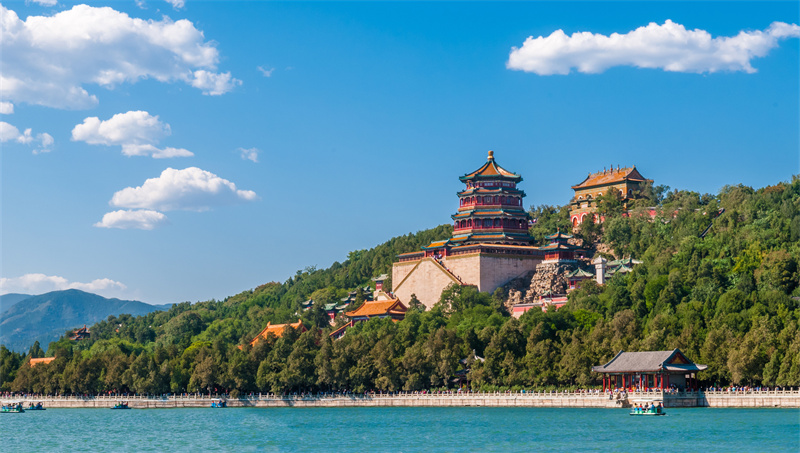
The Summer Palace was originally named Qingyiyuan (Garden of Clear Ripples) and was then used as the residence of the Empress Dowager Cixi in her declining years. After several times of renovations, its major attractions such as the Four Great Regions, Suzhoujie, and the Pavilion of Bright Scenery, listed among the first batch of major historical and cultural sites protected at the national level, have been successively restored.
The Temple of Heaven

[Photo via VCG]
Situated in the east side of Zhengyangmen Gate, the Temple of Heaven used to be the place where the emperors of the Ming and Qing dynasties used to "worship the heaven" and "pray for a good harvest". The altar area is round in the north and square in the south, which implies that "the heaven is round and the earth is square". The Temple of Heaven is divided into two parts: the inner altar and the outer altar, covering a total area of 273 hectares. In 1998, it was listed as a "World Cultural Heritage" by UNESCO.
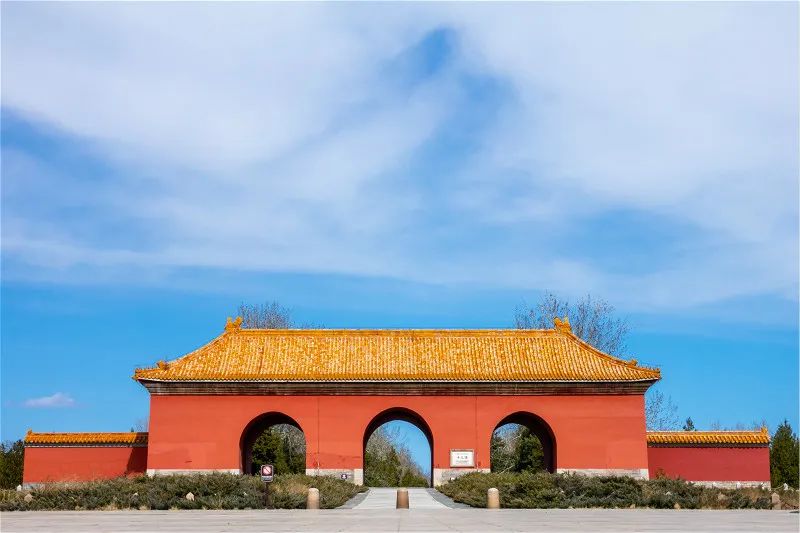
The Ming Tombs
[Photo via tuchong.com]
The Ming Tombs, located at the base of Tianshou Mountain, are about fifty kilometers away from Beijing. These thirteen imperial tombs are built into the side of the mountain, creating a majestic and impressive collection of mausoleums. Established in 1409, these tombs have a history spanning over 300 to 600 years and across 40 square kilometers. The site is not only the largest imperial tomb complex in China, but in the entire world, housing the most tombs of emperors and empresses.
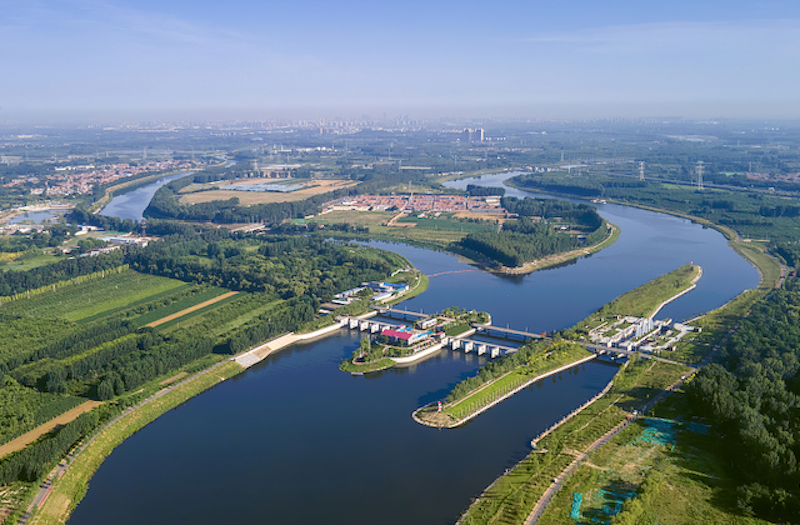
The Grand Canal
[Photo via VCG]
The Grand Canal, dating back to 486 BC, is a remarkable hydraulic project completed by the ancient Chinese laborers. It is the longest canal in the world and the earliest and largest one ever dug, with a remarkable history spanning over 2,500 years. In 2014, the Grand Canal was included in the World Heritage List of UNESCO.
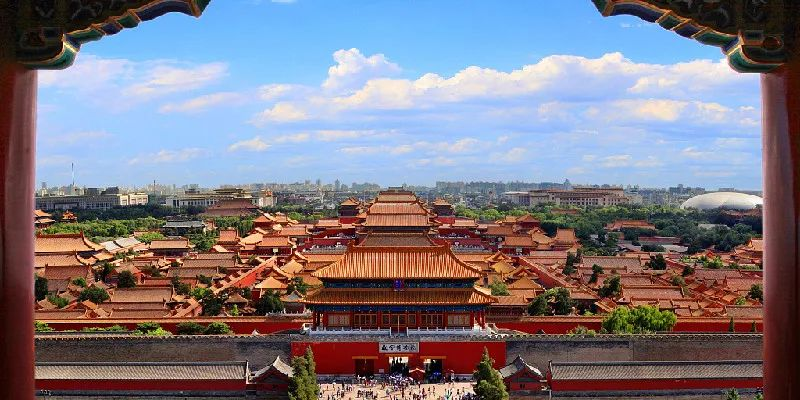
The Beijing Central Axis
[Photo via VCG]
The Beijing Central Axis runs for 7.8 kilometers, from the Drum and Bell Towers in the north to Yongdingmen Gate in the south, passing Wanning Bridge, Jingshan Park, and the Palace Museum. Running through the old city of Beijing, the Central Axis first started taking form during the Yuan Dynasty, but took more than 700 years to complete, witnessing the rise and fall of the Ming and Qing dynasties (1368-1911) and continuing to develop through modern and contemporary China. The buildings along the Central Axis are strictly symmetrical and the landscape reflects the order of the city.