New Mosquito and Fly Control Devices Installed in Multiple Beijing Parks

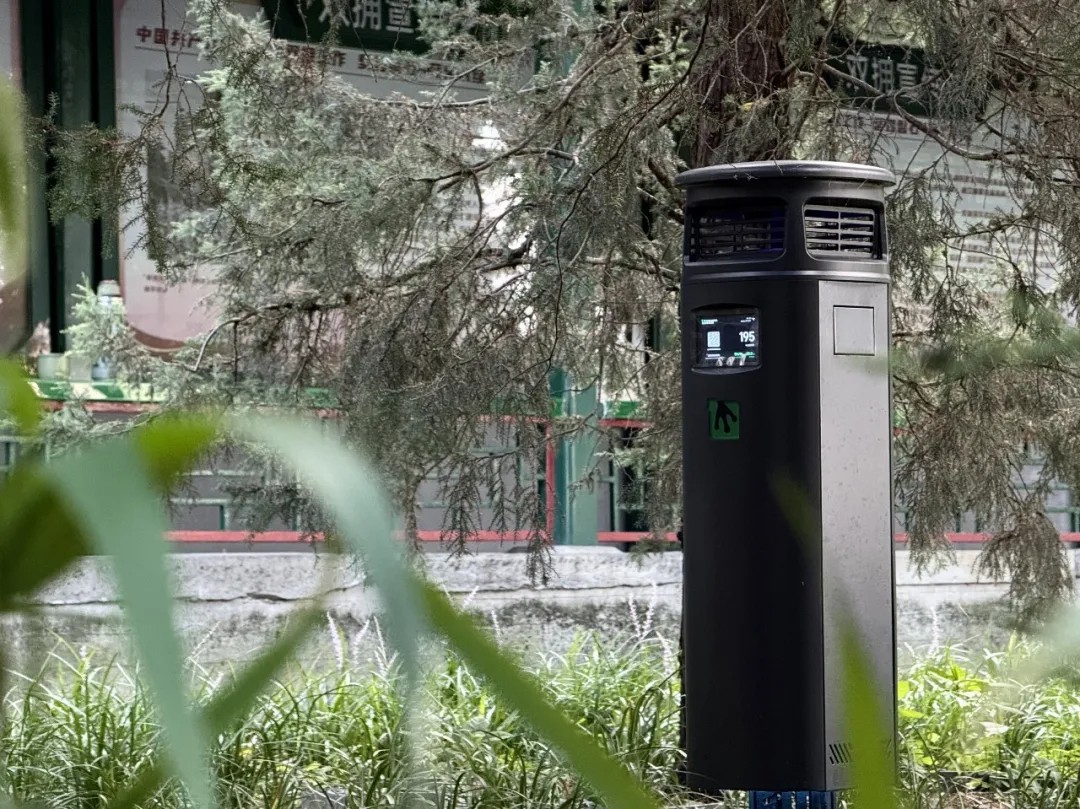
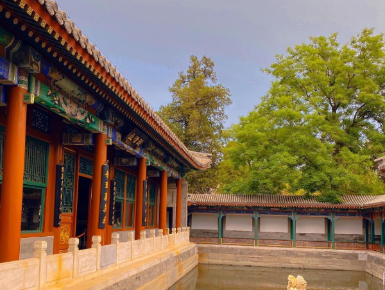
To improve residents' and visitors' experiences during their park visits, the Beijing Municipal Administration Center of Parks has just introduced 17 sets of bionic mosquito-control devices for pilot operation across multiple municipal parks. The devices have already been put into use at the Summer Palace, Beihai Park, Zizhuyuan Park, the China National Botanical Garden (North Garden) and the Museum of Chinese Gardens and Landscape Architecture.
Each intelligent mosquito trap is equipped with ventilation grilles on top. It simulates human breathing by releasing carbon dioxide, attracting mosquitoes that mistake the device for a human target. Its internal negative-pressure airflow then draws mosquitoes into the capture chamber, where they are trapped and eliminated, effectively lowering mosquito density in surrounding areas. The backend system can also monitor the performance of each device in real time, including the number of trapped mosquitoes and equipment operating status, providing technological support for mosquito and fly control efforts in parks during the summer.
In addition, staff members will be sent to clear up stagnant rainwater in low-lying areas of green spaces right after rainfall. Physical pest control methods are also adopted across these parks. A total of 1,419 sticky insect traps have been installed and 199 professional insect monitoring lamps set up. The Fragrant Hills Park introduced an innovative biological pest control approach by keeping mosquito-eating fish in several landscape ponds year-round. The fish feed on mosquito larvae through the natural food chain, helping prevent mosquito and fly breeding in aquatic areas over the long term.
(Source: Beijing News Radio)