Beijing Records 8.466 Million Tourist Visits During Dragon Boat Festival Holiday

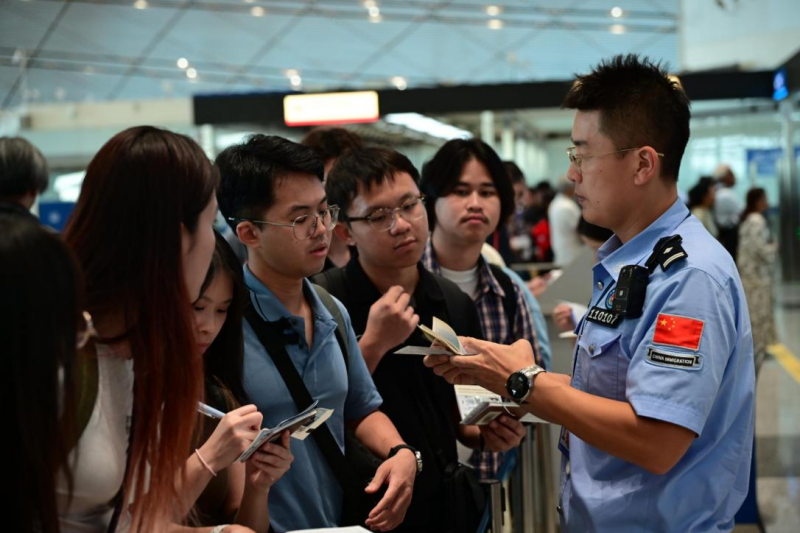
During the 2026 Dragon Boat Festival holiday, Beijing welcomed a total of 8.466 million tourist visits and generated 11.35 billion yuan in tourism revenue, representing a steady year-on-year increase. Inbound tourism remained robust, with a total of 87,000 inbound visitors, up 31.2 percent year on year. Inbound visitor spending reached 950 million yuan, up 31.4 percent year-over-year.
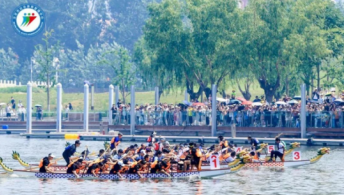
Under the theme "Enjoy the Dragon Boat Festival, Explore Beijing", Beijing launched approximately 2,000 distinctive cultural and tourism events across five themed categories. The cultural and tourism authorities released 10 themed summer exploration routes to encourage family outings and micro-getaways during the holiday. The city rolled out a series of unique intangible cultural heritage experiences, offering international visitors immersive experiences of traditional Chinese folk customs. The Qianmen Chinese Culture Festival and the Moshikou National Trend Culture Festival attracted large numbers of young people. Major scenic spots and cultural districts organized folk experiences such as dragon boat races and zongzi-making. Dragon boat events at locations like the Grand Canal in Tongzhou District and Beijing Wtown each had their own unique characteristics, while guesthouses, village cafés, and fruit-picking activities across Beijing's suburbs allowed visitors to enjoy a relaxing holiday. On Dragon Boat Festival Day, Longfu Temple hosted folk cultural activities, while public cultural institutions at all levels across the city — including cultural centers and public libraries — organized 514 public cultural events to meet the holiday cultural needs of diverse groups.
A total of 280 commercial performances comprising 1,136 shows were held citywide, covering a wide range of genres including theater festivals, dance, modern Chinese drama, traditional opera, and acrobatics. At the same time, the culture and tourism authorities launched 10 themed exhibition tours, seamlessly linking more than 20 high-quality major exhibitions with nearby cultural venues, historic districts, and distinctive commercial areas. Sixty-six major art exhibitions were held throughout the city during the holiday, including international art exchange exhibitions, exhibitions of masterpieces from renowned artists' collections, arts education exhibitions, and cutting-edge contemporary art exhibitions.
Major shopping districts across the city hosted a wide variety of themed events, with 70 key shopping districts across the city attracting 26.504 million visitors and generating 6.71 billion yuan in consumer spending. The Longfu Temple Night Market featured delicacies from across China, as well as cultural, creative and intangible cultural heritage products. WellTown in Wanli, Tongzhou District hosted summer leisure activities such as music performances and food markets, generating nearly 30 million yuan in sales during the holiday period. Shopping malls such as Wangfujing, Chaoyang Hopson One, Xisanqi MixC, and JingXi Joy City launched special World Cup-themed events. Several time-honored brands incorporated traditional Dragon Boat Festival customs, organizing activities such as zongzi-making and traditional "expelling the five poisons" folk custom. Culinary events at venues including WF Central, New World Department Store, and Chaoyang District's Langyuan Station also took place in succession, boosting consumer spending.
During the Dragon Boat Festival holiday, municipal parks received 1.2278 million visits, with the Temple of Heaven Park, the Summer Palace, and Beihai Park ranking as the top three in terms of visitor numbers. Beihai Park enhanced its evening immersive cultural activities, allowing visitors to not only appreciate the beauty of the gardens but also enjoy a variety of special performances — including traditional Chinese music, classical dance, and traditional folk arts — at different locations along the way. The program seamlessly combined sightseeing with cultural performances, creating an enriched visitor experience.
(Source: Beijing Daily)