Several Historic Sites Reopen After Renovation in Dashilan Area

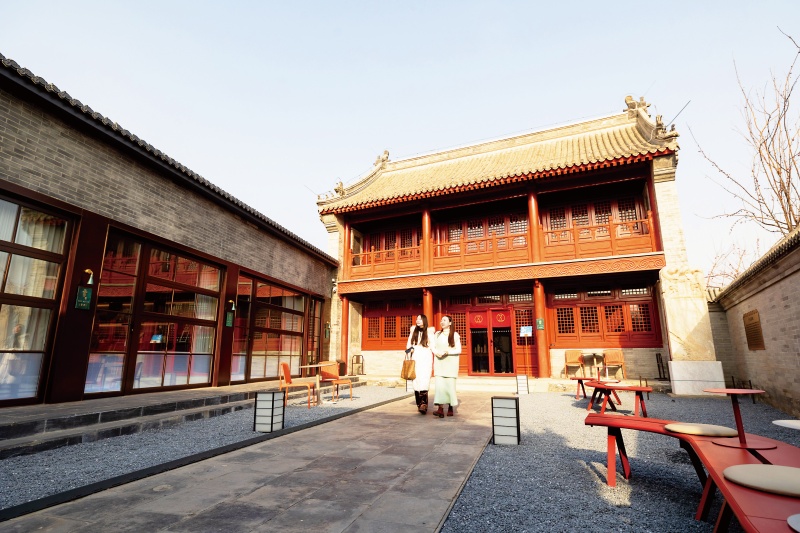
The Wudao Temple has recently reopened with an inaugural exhibition.
The intangible cultural heritage space at the temple will feature various activities centered on the themes of art and daily life, including meditation, tea ceremonies, tai chi sessions, singing bowl meditations, and hands-on workshops.
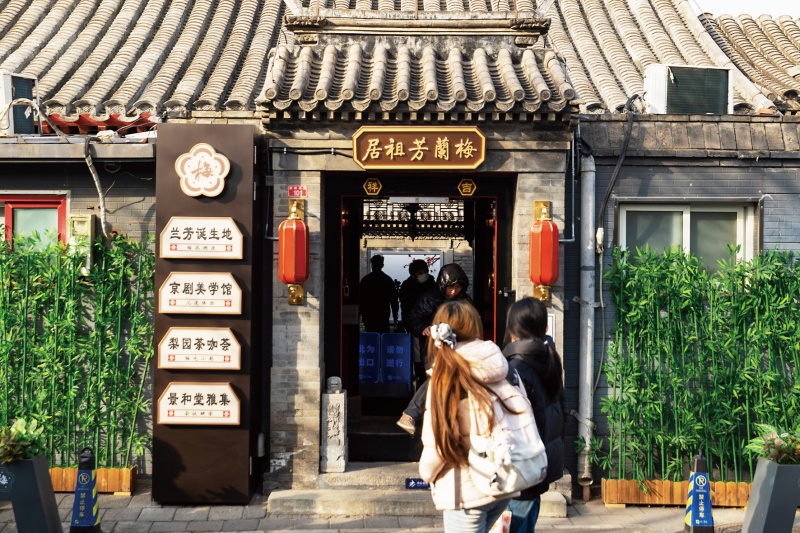
Not far from the temple, Mei Lanfang's Former Residence—the birthplace of the Peking Opera master—has also reopened to the public. This well-preserved, symmetrical two-courtyard siheyuan encapsulates the living memories of several generations of the Mei family.
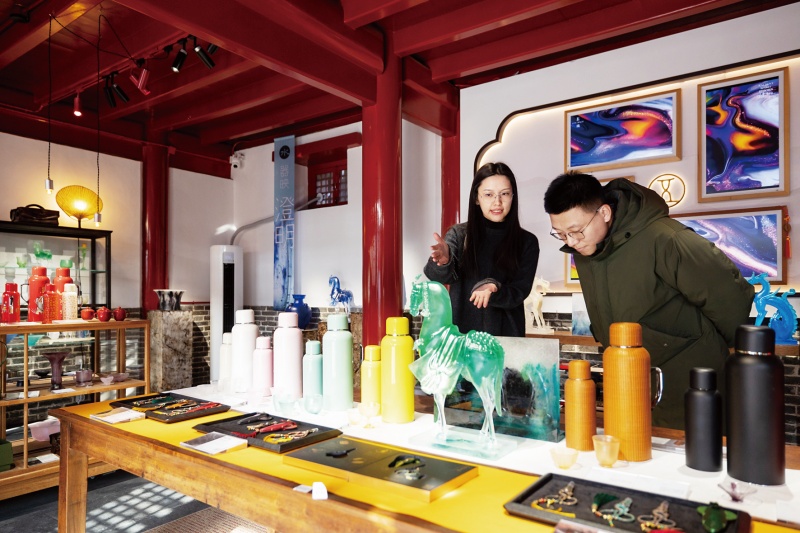
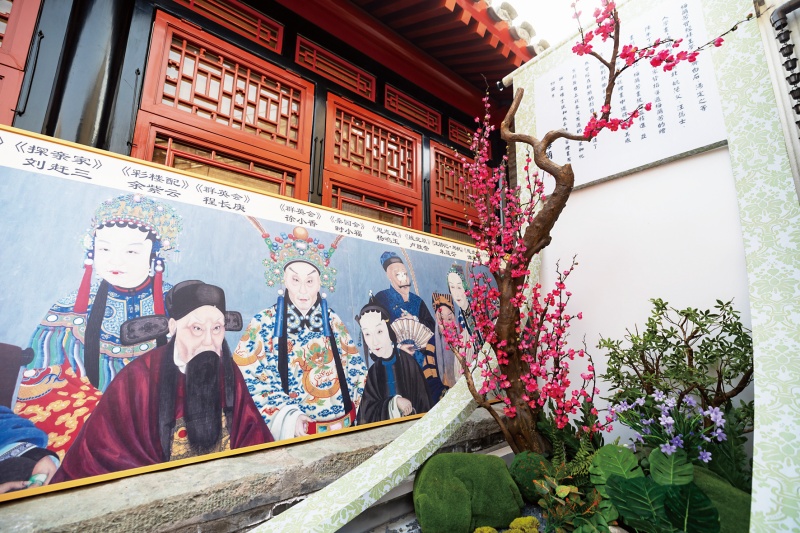
Following its renovation, the century-old residence has been transformed into an experiential center for Peking Opera aesthetics. It features a permanent exhibition on Mei Lanfang's life, family history, and treasured artifacts, as well as daily performances and guided interpretations by professional Peking Opera artists in authentic courtyard settings.
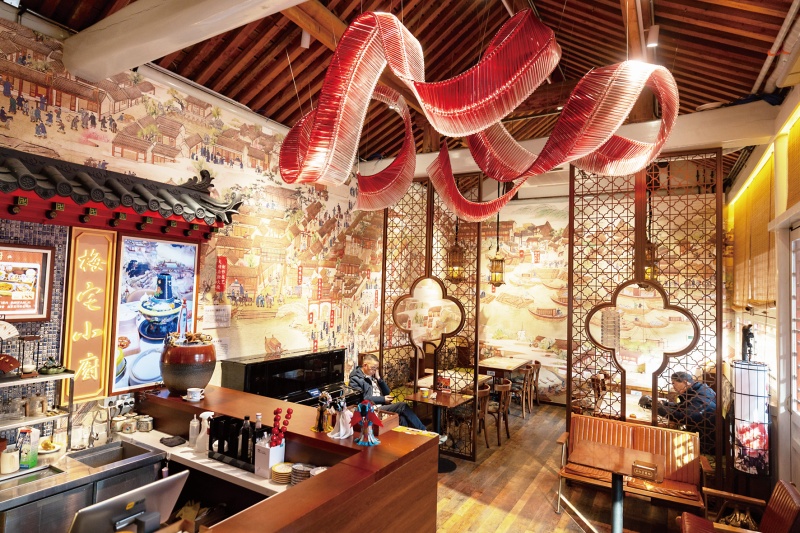
A leisure space has been created at Mei Lanfang's Former Residence. The historic residence features an interactive area that recreates a traditional Beijing hutong scene, where visitors can try on Peking Opera costumes and take photos. The café offers a selection of creative "Opera-Inspired" coffees, while the restaurant showcases "Famous Performer Flavors" through four signature set meals—each inspired by the distinctive artistic personalities and culinary preferences associated with the "Four Great Dan" of Peking Opera: Mei Lanfang, Shang Xiaoyun, Cheng Yanqiu, and Xun Huisheng.
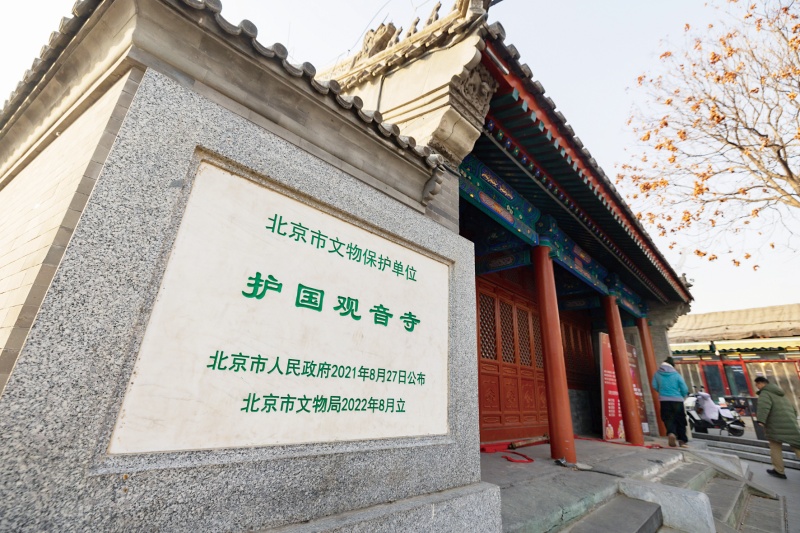
The Huguo Guanyin Temple has also been restored. Following the renovation, Dashilan's Guanyin Temple area becomes a pathway connecting key cultural heritage protection zones, including the Huguo Guanyin Temple, Wudao Temple, Tan Xinpei's Former Residence, Mei Lanfang's Former Residence, Liyuan Guild Hall, and 49 Dongnanyuan Hutong.